
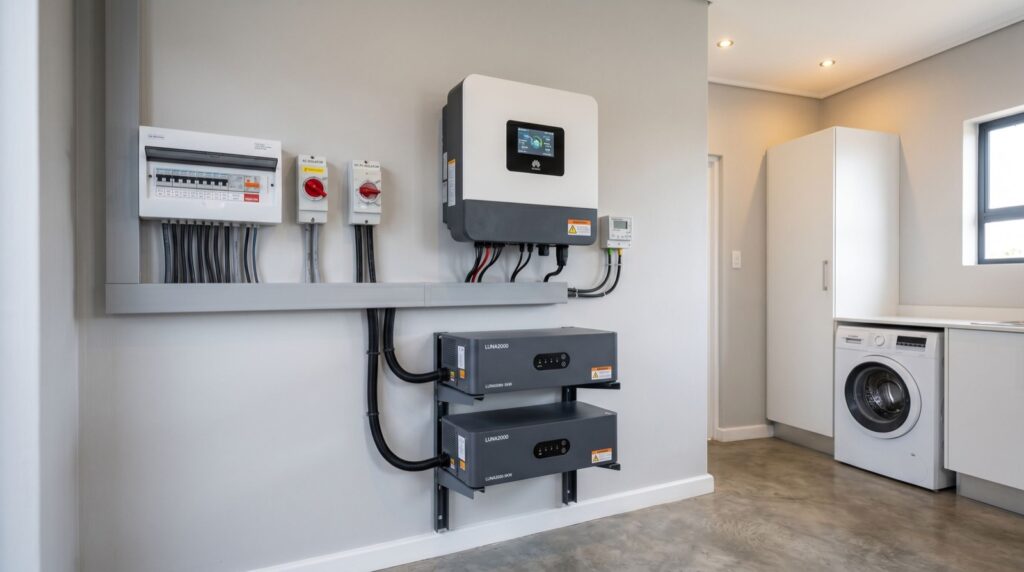
Solar Inverter Price in Pakistan 2026: What Drives the Cost and How to Choose
The solar inverter price in Pakistan often surprises first-time buyers, because this one component can swing the total system cost more than the panels do. An inverter is not just a converter; it is the control centre that decides how well your entire solar investment performs. Understanding what you are paying for in 2026 helps you avoid both overspending and buying a unit that quietly underdelivers.
This article unpacks the factors behind inverter pricing, compares the main types, and shows how storage decisions ripple through your budget. It is aimed at buyers who want to spend wisely rather than simply cheaply.
What You Are Actually Paying For
Inverter pricing reflects capacity, technology, build quality, and features. A larger output rating naturally costs more, but two units with the same wattage can differ sharply based on efficiency, surge handling, and battery support. The gap between a budget unit and a premium one is rarely random.
When you review a solar inverter price in Pakistan, look past the headline number to what the money buys: higher conversion efficiency, better warranties, and proper lithium communication. Those details determine how many units you actually harvest over the system’s life.
Why Two Same-Size Inverters Cost Differently
A 5 kW inverter from a tier-one brand may cost noticeably more than a generic 5 kW box. The premium buys tighter voltage regulation, longer service life, local warranty support, and firmware that protects your battery. Over ten years, that difference usually pays for itself in retained output.
Inverter Types and Their Price Bands
The three common inverter categories sit at different price points because they do different jobs. The table below frames the 2026 landscape for a typical home-sized unit.
| Inverter Type | Relative Cost | Battery Support | Best Suited To |
|---|---|---|---|
| Grid-Tie | Lowest | None | Bill savings, stable grid |
| Off-Grid | Moderate | Required | Remote sites, no grid |
| Hybrid | Highest | Optional now, later | Most homes wanting backup plus savings |
Hybrids cost the most because they pack three functions into one enclosure, yet they remain the popular choice in 2026 thanks to their flexibility. Buyers value the option to add batteries later without replacing the inverter.
How Storage Choices Change Your Budget
Batteries are frequently the largest single line in a solar quote, and they interact directly with inverter selection. A hybrid inverter that speaks the right lithium protocol lets you use modern batteries that last longer and discharge deeper.
Consider these storage cost drivers before you commit:
- Chemistry: lithium costs more up front but outlives lead-acid several times over.
- Usable capacity: depth-of-discharge decides how much of the rated kWh you can actually use.
- Cycle life: a battery rated for more cycles spreads its cost across more years.
- Compatibility: mismatched inverter and battery pairings shorten pack life and waste money.
Getting this pairing right is where reputable service experts earn their fee, because a mismatched system can destroy an expensive battery within a couple of years. The cheapest quote is rarely the cheapest outcome.
Is a Cheaper Inverter Ever the Right Call?
Sometimes, yes. If you run a simple grid-tie system with no battery and a stable connection, a mid-range inverter can be perfectly sensible. Not every home needs premium hybrid features, and paying for capabilities you will never use is its own kind of waste.
The judgement call comes down to your goals. Chasing pure bill savings on a reliable grid tolerates a leaner inverter. Wanting backup power, battery storage, and future expansion justifies spending more. Match the machine to your plan, not to a neighbour’s setup.
A Practical Cost-Balancing Tip
Work through your budget in this priority order:
- Fund a quality inverter that matches your load and battery plans.
- Allocate the next share to a compatible, long-cycle battery if you need backup.
- Spend the remaining budget on panels sized to your available roof.
- Keep a small reserve for cabling, mounting, and protection gear.
Here is a tactic seasoned installers use: put your budget into the inverter and battery first, then fill the remaining amount with panels sized to your roof. Panels are the most forgiving component to economise on, while a weak inverter or battery undermines the whole system. Reliable modules still matter, so verify any solar panels in Pakistan carry real warranties before you buy.
Warranty and Support: The Hidden Value
Price on paper ignores what happens when something fails. A slightly pricier inverter backed by local service and a solid warranty beats a cheaper import with no support channel. When a fault appears, the brand with technicians near you keeps your system earning while the bargain unit sits dead.
Industry analysis from bodies like the International Energy Agency underscores that reliability and serviceability drive real-world solar returns, not just upfront price. Treat warranty terms as part of the price, because effectively they are.
Common Pricing Traps to Avoid
Solar quotes can hide the real cost behind an attractive headline figure. Some vendors advertise a low inverter price but recover the margin through inflated cabling, mounting, or installation charges. Others quote a cheap unit that lacks the battery communication you will need the moment you add storage.
Watch out for these recurring traps when comparing offers:
- Peak-rating games: a big surge number hiding a modest continuous output.
- Grey-market imports with no local warranty honour.
- Undersized cabling that overheats and throttles your system.
- Vague warranty language that excludes the parts most likely to fail.
Reading the full quote line by line, rather than glancing at the bottom total, protects you from these tactics. A clear, itemised quote is itself a signal of a trustworthy supplier.
Matching the Inverter to Your Future Plans
Your inverter choice should reflect where you expect to be in five years, not just today. If you anticipate adding an electric vehicle charger, a bigger battery bank, or extra appliances, buying an inverter with headroom now avoids an expensive swap later. Future-proofing is cheaper than replacing.
Consider load growth honestly. Families expand their appliance use over time, and businesses add machinery. An inverter chosen for today’s exact load can feel cramped within a couple of years, so a modest allowance for growth is wise spending rather than waste.
The Value of a Site Visit
No accurate inverter recommendation comes from a phone call alone. A proper site visit lets the installer measure your roof, inspect your wiring, and understand your real usage pattern. Treat any vendor who quotes a system without seeing your property with healthy caution, because their number is a guess.
Frequently Asked Questions
Why is the inverter sometimes pricier than the panels?
Because it does far more work. The inverter converts, controls, protects, and often manages batteries, so its engineering and reliability requirements are higher than a passive panel’s.
Can I use any battery with any inverter?
No. Battery and inverter must be compatible in voltage and communication protocol. Mismatches shorten battery life and can void warranties, so always confirm the pairing before purchase.
Does a higher price guarantee better performance?
Not automatically, but reputable premium units usually deliver higher efficiency and longer service life. Compare specs and local support rather than assuming price alone signals quality.
Should I buy a hybrid inverter even without a battery yet?
Often yes, if you plan to add storage later. Buying hybrid now avoids replacing the inverter when you finally invest in batteries, saving money over the long run.
Final Word
The solar inverter price in Pakistan reflects real differences in efficiency, control, and support, so the cheapest option is seldom the smartest in 2026. Decide your goals, match the inverter and battery carefully, and let panels absorb any budget trimming. Spend where the system’s brain lives, and every rupee you invest in solar works harder for years to come.