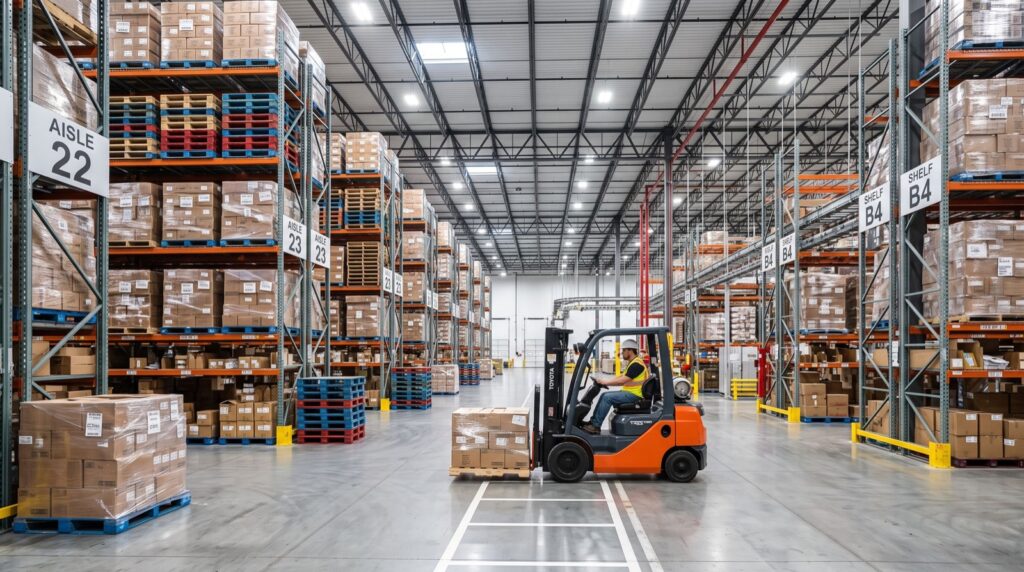
Ambient Storage in Riyadh: The 2026 Guide to Smarter Warehousing
Not everything needs a fridge. In fact, the majority of goods flowing through Riyadh’s warehouses — packaged foods, cosmetics, electronics, textiles and household products — simply need a clean, stable, room-temperature environment. That is the quiet power of Ambient Storage In Riyadh: it delivers the protection your inventory needs without the energy bill of refrigeration. Understanding when ambient is enough — and when it is not — is one of the most cost-effective decisions a business can make in 2026.
Let’s unpack how ambient warehousing works, where it beats cold storage on value, and how to set it up so your goods stay saleable year-round in the Saudi capital.
What Exactly Is Ambient Storage?
Ambient storage keeps goods at a controlled room temperature, typically between 15°C and 25°C, without active chilling or freezing. The focus shifts from cooling to consistency: steady temperature, managed humidity, dust control and protection from Riyadh’s intense summer heat.
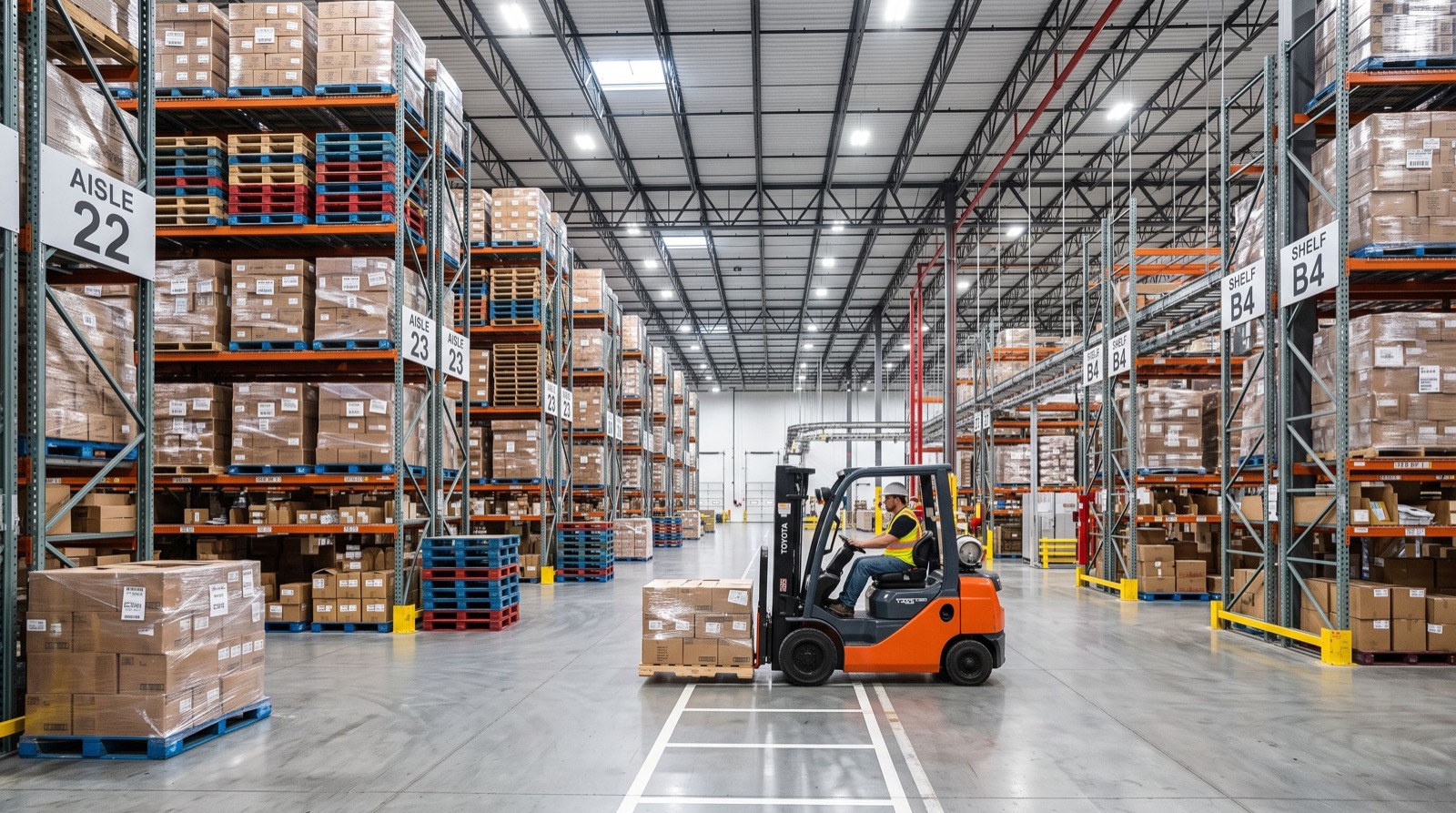
Because it avoids refrigeration, ambient space costs less to run and can hold a huge range of products — from canned goods to packaged snacks, paper products, cleaning supplies and consumer electronics. The trade-off is discipline: without active cooling to mask problems, ambient storage relies on good building design, sensible stacking and consistent monitoring to stay reliable through Riyadh’s temperature swings.
Ideal Candidates for Ambient Space
- Canned, jarred and shelf-stable foods
- Beverages that do not require chilling
- Cosmetics, toiletries and packaged personal care
- Textiles, apparel and general dry goods
- Electronics and small appliances
Ambient vs Chilled: Which Does Your Product Need?
Choosing between ambient and chilled comes down to a product’s sensitivity and shelf life. Overspending on refrigeration for shelf-stable goods is a common budget leak; under-cooling perishables is a compliance disaster. This table clarifies the split.
| Factor | Ambient storage | Chilled storage |
|---|---|---|
| Temperature | 15°C – 25°C | 2°C – 8°C |
| Running cost | Lower | Higher (energy-intensive) |
| Best for | Shelf-stable goods | Perishables, pharma |
| Spoilage risk | Low if dry | High if chain breaks |
For perishable lines, you will still want dedicated Chilled Storage in Saudi Arabia alongside your ambient space — most growing businesses run a hybrid model, matching each product to the right environment rather than forcing everything into one.
Why Riyadh Businesses Are Rethinking Warehousing in 2026
Riyadh’s role as a distribution hub keeps expanding, and warehouse demand tracks the wider surge in trade and consumption. The Kingdom’s General Authority for Statistics publishes the trade and non-oil activity figures that underpin this growth; browsing the datasets on the GASTAT portal shows why efficient storage is now a strategic concern, not a back-office one.
At the same time, waste reduction is under a spotlight. The Food and Agriculture Organization estimates that a significant share of global food never reaches consumers, much of it lost to poor storage. The FAO’s food-loss resources at fao.org make a compelling case: the right environment — even a simple, well-managed ambient one — prevents avoidable waste.
How to Set Up Ambient Storage That Actually Protects Your Stock
Ambient does not mean “leave it anywhere.” A well-run ambient warehouse follows a deliberate process:
- Control humidity to prevent packaging swell, rust and clumping.
- Keep goods off the floor on pallets or racking to allow airflow.
- Rotate stock on a first-in, first-out basis to protect shelf life.
- Shield inventory from direct sunlight and external wall heat.
- Inspect regularly for pests, damp and packaging damage.
A Practical Tip on Zoning
Here is an insight learned on the floor: create a distinct “fast-mover” zone near the dispatch doors and keep slow-moving stock deeper in the facility. This one layout change can cut picking time dramatically, reduce forklift traffic and lower the risk of accidental damage — all without spending a riyal on new equipment.
Working with an experienced local team means these efficiencies are designed in from day one rather than bolted on after problems appear.
The Cost Advantage You Shouldn’t Overlook
Because ambient storage skips compressors and constant cooling, its energy footprint is a fraction of chilled space. For any product that tolerates room temperature, that saving flows straight to your bottom line — and it is greener, aligning with the sustainability push shaping Saudi logistics this decade.
Common Ambient Storage Mistakes and How to Avoid Them
Even a low-tech environment can go wrong, and the errors are almost always avoidable. Learning them in advance saves both stock and money.
The first mistake is treating humidity as an afterthought. Riyadh’s dry air can lull operators into complacency, yet sudden seasonal shifts and poor ventilation still cause condensation on cold surfaces, swelling cardboard and rusting cans. A basic hygrometer and steady airflow prevent most of this.
The second is stacking without a plan. Heavy cases crushed onto lighter packaging deform products and block the air circulation that keeps temperatures even. Weight-appropriate racking and sensible stack heights protect both goods and staff.
The third is neglecting rotation. Without disciplined first-in, first-out handling, shelf-stable does not mean shelf-eternal — expiry dates quietly pass on stock buried at the back. A visible date-labelling system turns this from a monthly write-off into a non-issue.
Turning Ambient Space Into a Competitive Advantage
Handled well, ambient storage does more than hold stock — it speeds up your whole operation. Faster picking, fewer errors and lower waste all compound into better service and healthier margins. Businesses that treat their warehouse as a strategic asset rather than a cost centre consistently outpace rivals who let it drift. In 2026’s competitive Riyadh market, that operational edge is often the difference between growing and stalling.
Frequently Asked Questions
What temperature is considered ambient storage?
Ambient storage typically holds goods between 15°C and 25°C — a stable, controlled room temperature without active refrigeration.
Is ambient storage cheaper than chilled storage?
Yes, significantly. Without the energy demand of compressors and cooling systems, ambient space costs far less to operate, which is why shelf-stable goods should never sit in a fridge.
Can ambient storage handle Riyadh’s summer heat?
A properly managed ambient facility uses insulation, ventilation and humidity control to maintain a stable internal climate even when outdoor temperatures soar.
Do I need both ambient and chilled storage?
Many businesses do. A hybrid model keeps shelf-stable goods in cost-efficient ambient space while perishables and pharma go into dedicated chilled storage.
The Takeaway
Smart warehousing is about matching each product to the environment it truly needs. For the vast majority of packaged and dry goods, Ambient Storage In Riyadh offers the sweet spot of protection and affordability — freeing your budget for the chilled and frozen capacity where it genuinely counts. In 2026, that kind of precision is exactly how lean, competitive businesses run.